
A Permanent Way to Bring Back Your Smile
Missing teeth don’t have to limit how you eat, speak, or smile. At Cadena Dentistry in Del Rio, TX, we offer dental implants, a tooth replacement that looks, feels, and functions like a natural tooth. Made with a titanium post, an abutment, and a custom crown, implants give you a sturdy, long-lasting foundation for your smile.
Request an AppointmentWhat Is a Dental Implant?
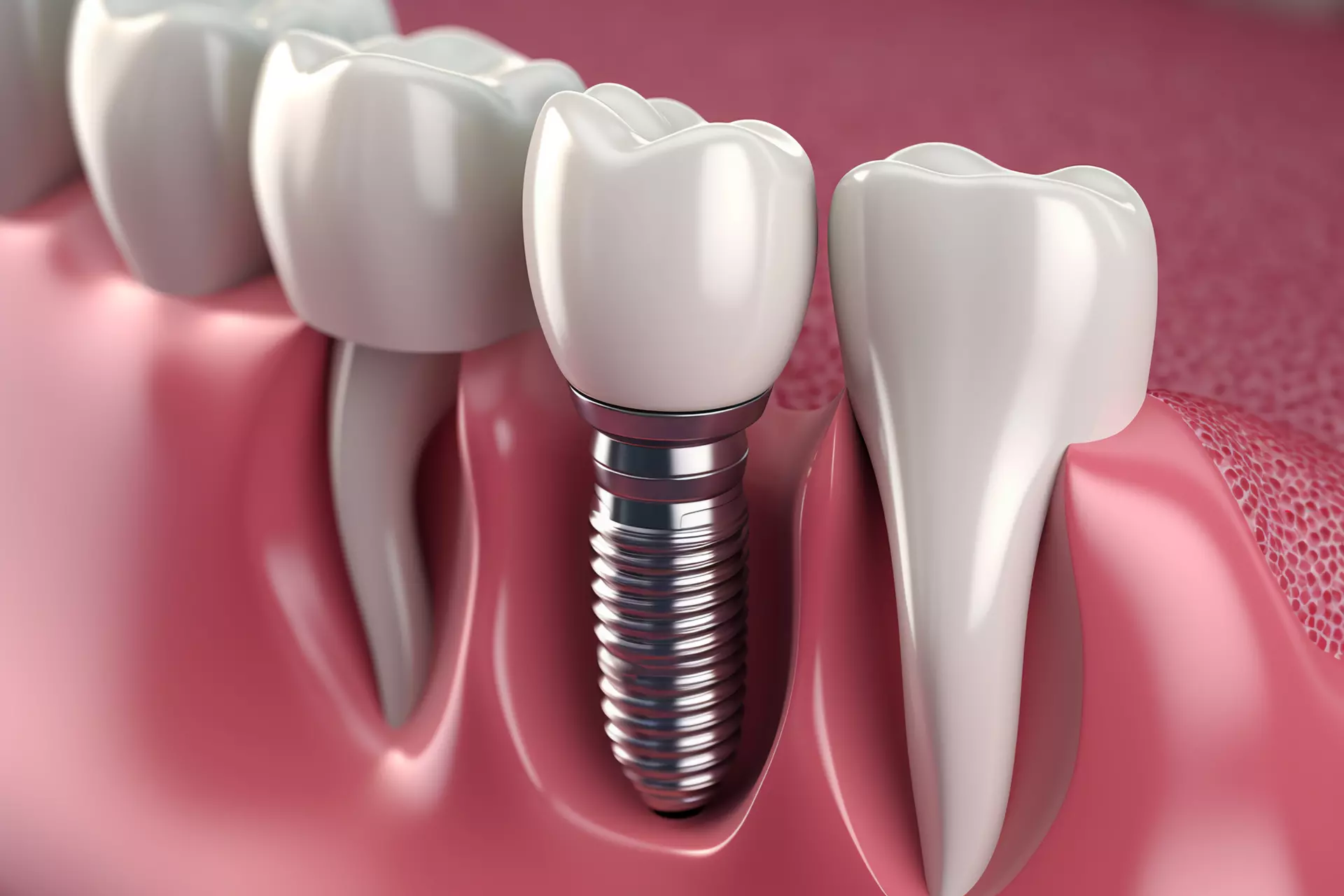
A dental implant has three main parts: the implant post, an abutment, and the restoration. The implant post is made from biocompatible titanium and is surgically placed into the jawbone, where it acts as an artificial tooth root. The abutment connects the post to the replacement tooth on top.
Many of our patients choose implants because they are a permanent solution for tooth loss and the next best thing to natural teeth. Implants also provide a secure base for crowns, bridges, or dentures, so they can replace a single tooth or several.
The Benefits of Dental Implants
Improved Appearance
Implants are customized to match the shape, size, and color of your existing teeth, so the result is a seamless, natural-looking smile. They also help preserve your facial structure and prevent the sunken look that can develop when teeth are missing.
Enhanced Functionality
Implants restore the full function of your mouth. Unlike dentures, which can slip or shift while you eat or talk, implants are anchored securely in the jawbone. You can bite, chew, and speak with confidence, just as you would with natural teeth.
Bone Health and Preservation
When a tooth is lost, the underlying jawbone can deteriorate over time from lack of stimulation. Implants act like natural tooth roots and stimulate the jawbone, which helps preserve bone density and prevent bone loss. This maintains the overall strength and structure of your jaw.
The Dental Implant Procedure
Evaluation and Treatment Planning
Our dentists evaluate your oral health, examine the area where the tooth is missing, and take dental X-rays or scans to assess bone density and structure. Based on the results, we create a personalized treatment plan that outlines how many implants you need and which type of restoration suits you best.
Implant Placement
The first step is a minor surgical procedure to place the implant in the jawbone, typically under local anesthesia. The dentist makes an incision in the gum tissue to expose the bone, creates a small opening in the bone, and inserts the implant. The gum tissue is then stitched back together.
Healing and Osseointegration
After placement, a process called osseointegration takes place. Over the next few months, the bone fuses with the surface of the implant, creating a stable and secure anchor for your new tooth.
Abutment Placement
Once the implant has integrated with the bone, a minor procedure attaches the abutment. This connector piece extends through the gum line and serves as the base for your artificial tooth.
Your New Tooth
After the gums have healed, a dental prosthesis (a crown, bridge, or denture) is made to match the color, shape, and size of your natural teeth. It is then attached to the abutment, restoring both the function and the appearance of your smile.
If you’re missing one or more teeth and are interested in dental implants, visit Cadena Dentistry at 606 N Bedell Ave, Del Rio, TX 78840, or call (830) 775-3322. We can assess your candidacy for the procedure and help determine the best restoration option for your needs and goals.
Dental Implant Questions Answered
What is a dental implant made of?
A dental implant has three parts: a biocompatible titanium post placed in the jawbone, an abutment that connects the post to the restoration, and a crown, bridge, or denture that replaces the visible part of the tooth.
Is the dental implant procedure painful?
Implant placement is typically performed under local anesthesia, so the area is numb during the procedure. Some soreness or swelling is common afterward as you heal, and our team will explain how to stay comfortable during recovery.
How long does the dental implant process take?
The timeline varies from patient to patient. After the implant is placed, it takes a few months for the bone to fuse with the implant in a process called osseointegration. Once the implant has integrated and the gums have healed, your final restoration is attached.
Am I a candidate for dental implants?
Most healthy adults who are missing one or more teeth may be candidates. We examine your mouth and take X-rays or scans to check your bone density and structure before recommending a treatment plan.
How are dental implants different from dentures?
Dentures rest on the gums and can slip or shift when you eat or speak. Implants are anchored securely in the jawbone, which gives you stronger chewing power, a more natural feel, and added support for bone health.
Can dental implants replace more than one tooth?
Yes. A single implant can replace one tooth, and several implants can support a bridge or a denture to replace multiple or all missing teeth. Your treatment plan will outline the number of implants you need.
Why does replacing a missing tooth matter for my jawbone?
When a tooth is lost, the jawbone beneath it can gradually deteriorate from lack of stimulation. Implants act like natural tooth roots and stimulate the bone, helping preserve its density and your facial structure.
Ready to Replace Your Missing Teeth?
Schedule a consultation with our Del Rio dentists to find out if dental implants are right for you. Call (830) 775-3322 or request your visit online.