
Relief From Tooth Pain, Handled With Care
Needing a tooth removed can feel stressful, but knowing what to expect makes it much easier. At Cadena Dentistry in Del Rio, TX, we explain every step, numb the area thoroughly, and keep you comfortable from the first visit through recovery, so you can get back to eating, smiling, and living without pain or infection.
Request an AppointmentWhy Might You Need a Dental Extraction?
We always try to save a natural tooth when we can. Sometimes, though, removal is the healthiest choice. Common reasons include:
- Severe decay or trauma that is too extensive for a filling, crown, or root canal to repair
- Infection that threatens the surrounding gums, bone, and neighboring teeth
- Overcrowding, when there is not enough room for all of your teeth to grow in properly
- Impacted or problematic wisdom teeth that have no space to come in at the back of the mouth
- Advanced gum disease that has loosened a tooth
Every decision depends on your individual circumstances. We review your exam and x-rays with you, talk through your options, and only recommend an extraction when it is the best path for your long-term oral health. If a tooth can be saved, we may suggest options such as endodontic care or a crown first.
What Happens During an Extraction?
Your comfort comes first. Here is what you can expect during your visit:
- We numb the area around the tooth with a local anesthetic. For more complex cases or anxious patients, conscious sedation may also be an option.
- Once you are numb, we use specialized instruments to gently loosen the tooth from its socket in the jawbone.
- If the tooth root is difficult to reach, a small incision in the gum tissue may be needed to access it.
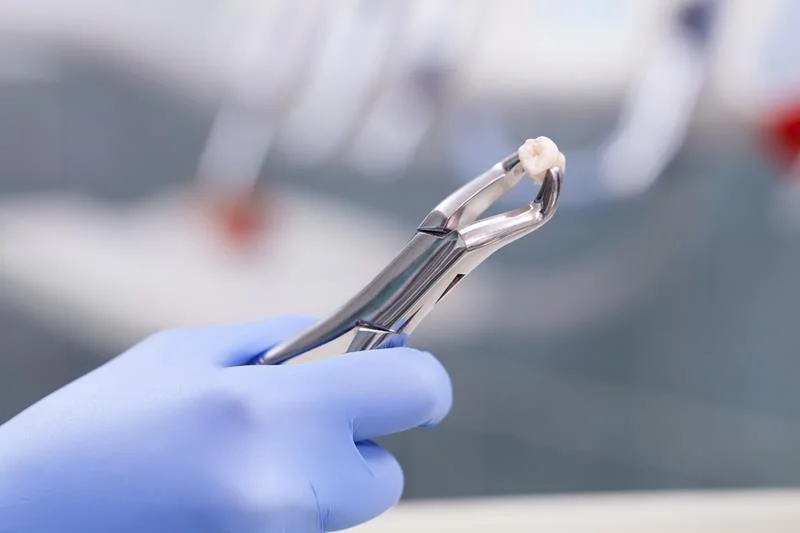
- The tooth is carefully removed with forceps. You may feel pressure, but you should not feel pain.
- We place gauze over the site to control bleeding and help a blood clot form, and we may place stitches if needed.
Before you leave, we give you clear aftercare instructions, including which foods to avoid while you heal.
Replacing a Missing Tooth
After an extraction, replacing the tooth helps protect your bite, chewing ability, and the look of your smile. Depending on your needs, we can talk with you about dental implants, bridges, or dentures. We can assess your candidacy and help determine the best option to meet your needs and goals.
How to Care for Your Mouth After an Extraction
Good aftercare lowers your risk of complications and helps you heal faster. Here are our key tips:
- Bite down gently on the gauze pad for 30 to 45 minutes after leaving our office to help stop bleeding.
- Use an ice pack or cold compress in 10-minute intervals, with breaks in between, to manage swelling and discomfort.
- Avoid drinking through a straw and do not smoke, since either can dislodge the blood clot and lead to a painful dry socket.
- Stick with soft foods such as soup, scrambled eggs, and mashed potatoes, and avoid hard or crunchy items like nuts and raw vegetables.
- Brush gently and keep up your oral hygiene routine, using warm salt water rinses every few hours beginning the day after surgery.
Mild pain and discomfort are normal. If you have excessive bleeding beyond 24 hours or develop a fever, contact us promptly. Visit Cadena Dentistry at 606 N Bedell Ave, Del Rio, TX 78840, or call (830) 775-3322 with any questions during your recovery.
Tooth Extraction FAQs
Does a tooth extraction hurt?
We numb the area with a local anesthetic before we begin, so you should feel pressure but not pain during the procedure. Some soreness afterward is normal and can usually be managed with the aftercare steps we provide.
How long does an extraction take?
A simple extraction is often completed fairly quickly, while surgical extractions or impacted wisdom teeth may take longer. We will give you a better idea of timing at your consultation.
Can I be sedated for my extraction?
Yes. For more complex extractions or for patients who feel anxious, conscious sedation may be an option. Talk with us about your concerns and we will recommend what is right for you.
What is a dry socket and how can I prevent it?
A dry socket happens when the blood clot at the extraction site is dislodged, exposing the bone and causing pain. To prevent it, avoid straws and smoking, stick to soft foods, and follow our aftercare instructions closely.
What can I eat after a tooth extraction?
Choose soft foods such as soup, scrambled eggs, and mashed potatoes during the first days of recovery. Avoid hard, crunchy, or chewy foods that could irritate the gums or disturb the extraction site.
When should I call the dentist after an extraction?
Call us if you have heavy bleeding that continues beyond 24 hours, a fever, or pain that gets worse instead of better. Mild discomfort and swelling in the first few days are normal.
Do I need to replace a tooth after it is removed?
Replacing a missing tooth is usually recommended to protect your bite, prevent neighboring teeth from shifting, and restore your ability to chew. Options include dental implants, bridges, and dentures, and we can help you choose the best fit.
Take the Next Step Toward a Healthier Smile
If you have a painful, damaged, or problem tooth, our team is ready to help you feel better. Call (830) 775-3322 or request a visit online to meet with us at our Del Rio office.