
Close the gap in your smile and get back to eating with confidence
A missing tooth affects more than your appearance. It can make chewing and speaking harder and let nearby teeth drift out of place. At Cadena Dentistry in Del Rio, TX, we use dental bridges to replace one or more missing teeth with natural-looking pontics, anchored to the neighboring teeth or to dental implants, so your smile looks and works the way it should.
Request an AppointmentHow a Dental Bridge Works
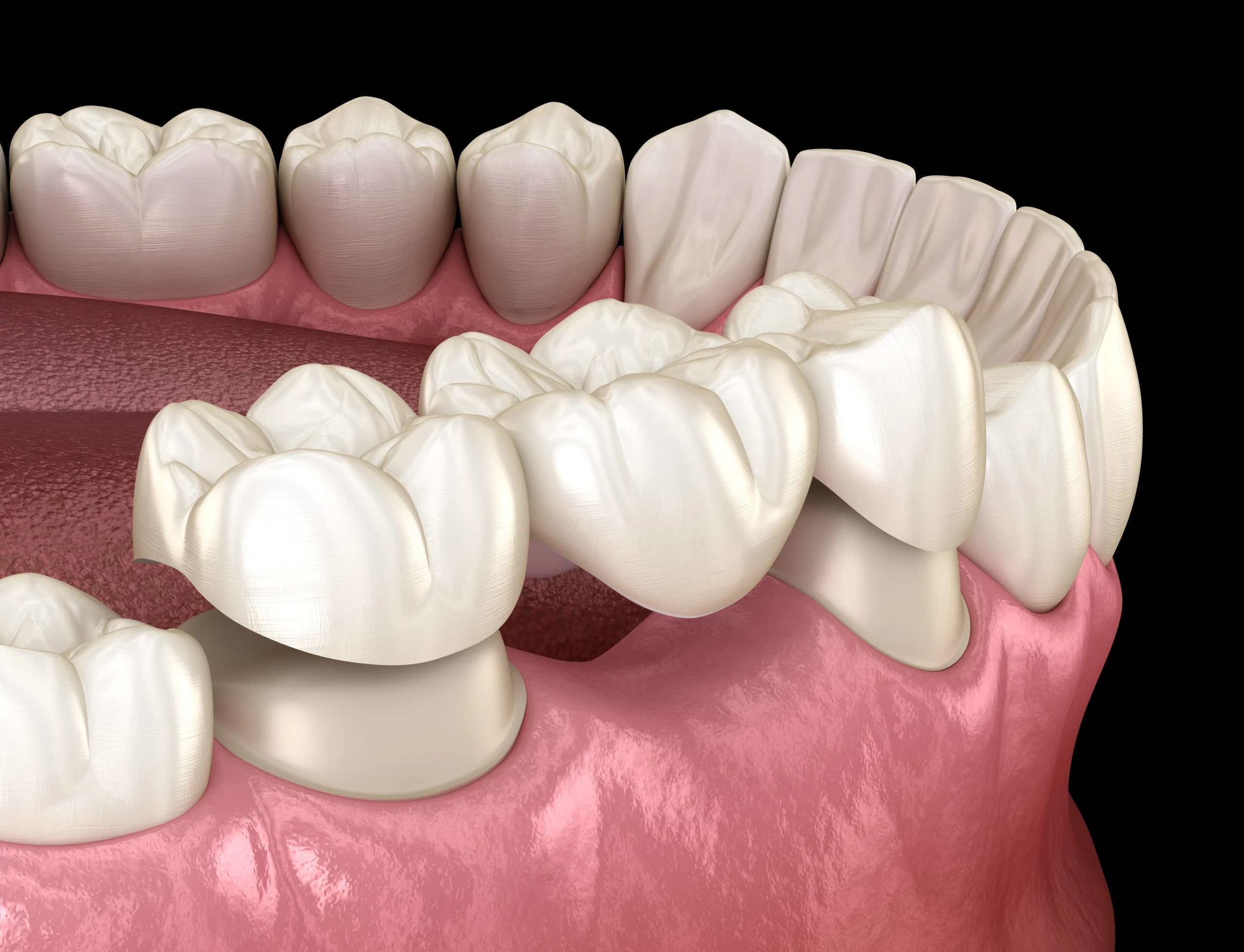
A dental bridge replaces missing teeth with false teeth called pontics. The pontics are fused to dental crowns on each side of the gap. These crowns fit over existing teeth or dental implants and hold the bridge firmly in place. The result is a natural-looking smile that restores your bite without disturbing the rest of your healthy teeth.
A bridge is cared for much like your natural teeth. Brush twice a day and floss daily to remove the plaque that can lead to gum disease. Regular checkups and cleanings with our dentist at Cadena Dentistry help keep your bridge and the teeth supporting it healthy for years.
Types of Dental Bridges
Traditional Dental Bridge
A traditional bridge has one or more pontics held in place by dental crowns on the adjacent teeth, called abutment teeth. The crowns are cemented onto the abutment teeth, creating a stable, fixed base for the bridge. This option works well when you have healthy, solid teeth on both sides of the gap.
Cantilever Dental Bridge
A cantilever bridge is used when only one adjacent tooth is available for support. The pontic is anchored to a crown on a single abutment tooth, which fills the gap and keeps the bridge stable. This type is less common than a traditional bridge and can place more stress on the supporting tooth, so our dentist will tell you whether it suits your bite.
Maryland Dental Bridge
Also called a resin-bonded bridge, a Maryland bridge uses a metal or porcelain framework bonded to the back of the neighboring teeth. Because the abutment teeth do not need crowns, this conservative option preserves more natural tooth structure. It is typically used to replace missing front teeth.
The Benefits of Dental Bridges
Replace Missing Teeth
Bridges fill the space left by one or more missing teeth, restoring both the look and the function of your smile.
Restore Chewing and Speaking Ability
Missing teeth can make it hard to chew comfortably and speak clearly. A bridge helps bring back normal eating and speech.
Maintain Facial Structure
Tooth loss can lead to a sunken or sagging look over time. A bridge supports the natural shape of your face.
Prevent Shifting of Teeth
When a tooth is lost, neighboring teeth can tilt or shift into the space, causing bite problems and misalignment. A bridge fills the gap and helps keep your teeth where they belong.
If you are also weighing other options, such as dentures, our dentist can walk you through how each one compares. Visit Cadena Dentistry at 606 N Bedell Ave, Del Rio, TX 78840, or call (830) 775-3322 to find out whether a dental bridge is the right treatment for you. Our dentist will evaluate your oral health, discuss the benefits and possible risks, and create a personalized treatment plan.
Dental Bridge Questions, Answered
What is a dental bridge?
A dental bridge is a restoration that replaces one or more missing teeth. False teeth called pontics are fused to dental crowns on each side of the gap, and those crowns anchor the bridge to neighboring teeth or dental implants.
How long does a dental bridge last?
With good oral hygiene and regular dental visits, a bridge can last many years, often a decade or more. How long yours lasts depends on the materials used, your daily care, and the health of the teeth and gums that support it.
Is getting a dental bridge painful?
Most patients are comfortable during the procedure. We numb the area before preparing the supporting teeth, and some mild sensitivity or soreness afterward is normal and usually fades within a few days.
How many visits does a dental bridge take?
A traditional bridge usually takes two visits. At the first, we prepare the supporting teeth and take impressions. At the second, we place and fit the final bridge. Our dentist will confirm the timeline for your case during your consultation.
How do I care for my dental bridge?
Brush twice a day and floss daily, paying attention to the area around the pontic and under the bridge, where plaque can collect. Regular checkups and cleanings help protect both the bridge and the teeth that support it.
What is the difference between a dental bridge and a dental implant?
A bridge is supported by the teeth next to the gap, while a dental implant replaces the missing tooth root with a post placed in the jaw. Our dentist can explain which option fits your oral health, your goals, and your budget.
Will I be able to eat normally with a dental bridge?
Yes. A bridge restores your ability to chew and speak comfortably. We recommend being careful with very hard or sticky foods so you do not put unnecessary stress on the bridge.
Ready to Replace a Missing Tooth?
Call (830) 775-3322 or schedule online to meet with our dentist and find out whether a dental bridge is right for you.